Protect your home today with professional pest control Abu Dhabi services from Black Diamond.
If you’re wondering how do I get rid of pigeons, you’re not alone. These birds quickly multiply, creating a growing pigeon population that leads to mess, noise, and property damage. From rooftops and vents to open areas and your balcony, pigeons find comfort in human spaces because of food, shelter, and easy access.
This guide explains every effective method used today, helping homeowners and businesses choose solutions suited to their needs. Whether you’ve searched for pigeon control near me or want long-term prevention, this comprehensive guide covers everything from exclusion tools to repellents—and when to call a bird control service.
To understand how do I get rid of pigeons effectively, you must begin by identifying every entry point they use. Pigeons often access roofs, vents, balcony railings, and structural gaps. Start by sealing exposed openings and removing food or water sources. Some solutions work as effective short term fixes, while others deliver long-lasting results depending on cost, time, and the level of infestation.
Common pigeon control strategies include physical exclusion tools like nets and spikes, pigeon repellent sprays, visual deterrents, and noise-based devices. In severe cases, homeowners often contact a professional bird control service to conduct a full inspection and apply advanced deterrents. A mix of preventive steps and blocking access is essential to achieve long-term success.
Pigeons choose sheltered areas such as roofs, window ledges, air-conditioning units, and your balcony because these locations provide warmth, coverage, and stability. Once they find a suitable space, they settle quickly and build nests, which eventually escalates into a larger problem due to rapid breeding.
Beyond the mess, their presence increases property damage over time. Droppings erode surfaces, attract insects, and block drainage systems. Understanding why pigeons choose your home helps create an effective prevention plan before the pigeon population expands further.
The most reliable long-term approach is physical exclusion, which stops pigeons from landing, perching, or nesting. This category includes:
These exclusion tools are durable, humane, and recommended when the goal is to permanently block access. They stop pigeons without harming them, making them ideal for long-term protection.
If you want fast results, pigeon repellent products and visual deterrents offer an effective short term solution. These include:
Reflective light irritates pigeons and discourages them from landing. While these options cost less and provide quick results, they may require reapplication or replacement over time. These methods are especially useful for balconies, windows, and small outdoor areas where immediate relief is needed.
Rather than focusing only on deterrents, reducing the pigeon population is also critical for long-term success. Regular inspection prevents nesting, while blocking access ensures pigeons do not return. Many homeowners use simple preventive steps, but larger infestations may require a pest control abu dhabi expert to manage widespread issues.
Ethical management focuses on denying food, water, and shelter. Combining these steps with pigeon control tools improves effectiveness while ensuring humane removal.
Your balcony is one of the most common locations where pigeons gather. To prevent this, start by cleaning the space regularly and removing leftover food or water. Install bird spikes on railings and open edges to prevent perching. For complete coverage, add pigeon netting along the outer side of the balcony to stop birds from entering.
You can also use pigeon repellent gels or foams on surfaces where pigeons land. Applying reflective surfaces like foil ribbons further discourages them by creating flashes of light. These combined steps ensure your balcony stays clean and peaceful.
Roof structures provide warmth and safety, making them ideal for nesting. Preventing access begins with checking every entry point around vents, solar panels, chimneys, and air ducts. Install pigeon netting under solar panels to block the gaps pigeons use.
Noise-based devices and a pigeon scarer can help push pigeons away from rooftop corners. Once you clean the nesting area, follow up with proper pigeon control methods to keep them from returning.
Even after removing pigeons, preventing their return requires consistent effort. Clean all affected areas thoroughly to remove droppings, odors, and nesting material. Without these signals, pigeons are less likely to come back.
Use a bird net or spikes to block any newly discovered entry point, and eliminate standing water or food scraps. The most effective method is a long-term combination of physical barriers and environmental changes. Over time, these habits make your home an unsuitable location for nesting, reducing the problem permanently.
If the infestation grows or DIY efforts fail, a professional bird control service can help. Experts identify hidden entry points, apply advanced deterrents, and handle complex installations like large-scale netting. When major infestations expand across rooftops or internal building structures, contacting Black Diamond pest control Abu Dhabi teams ensures safe, long-lasting removal.
Removing pigeons successfully depends on choosing the right effective method based on your space, cost, and how serious the problem is. Whether you try DIY tools or search for pigeon control near me, the most important step is preventing their return through a combination of exclusion, repellents, and maintenance. With the right strategy, you can protect your areas and prevent long-term infestations.
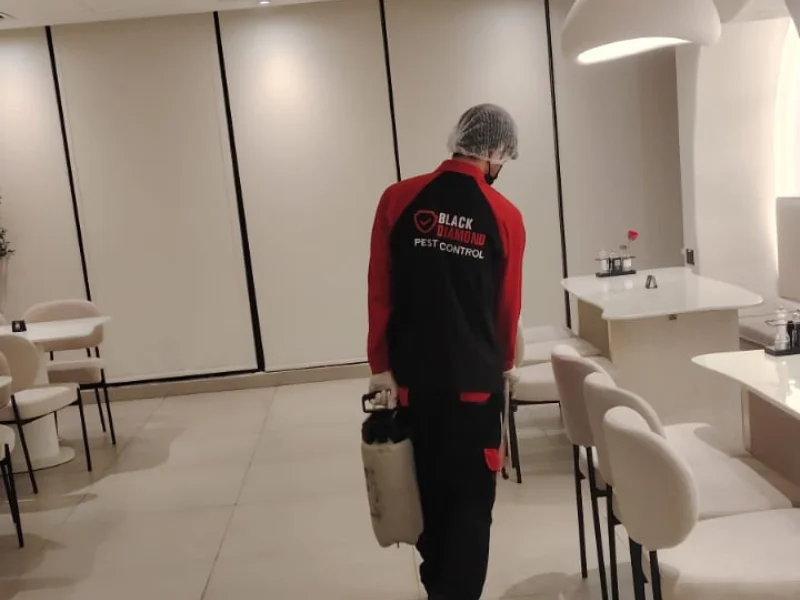
Discover why professional pest control in Abu Dhabi is essential for restaurants. Learn how to protect your reputation, ensure compliance, and maintain a safe, hygienic dining environment.
Discover why professional pest control in Abu Dhabi is essential for restaurants. Learn how to protect your reputation, ensure compliance, and maintain a safe, hygienic dining environment.