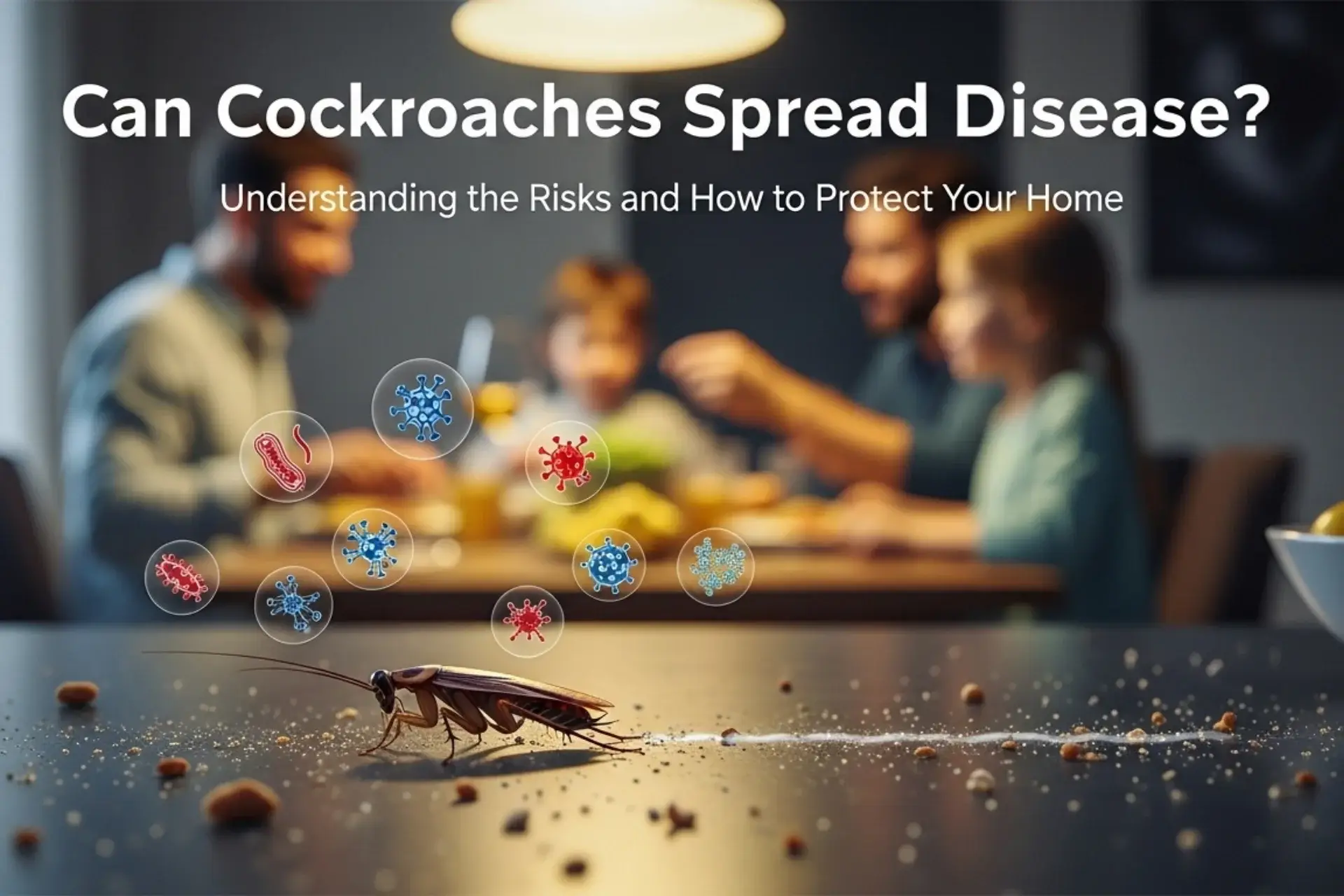
can cockroaches spread disease? While they do not usually bite humans, these insects can carry harmful bacteria on their bodies and contaminate food, posing health risks. Their saliva, droppings, and shed body parts can also trigger allergies and worsen asthma, making them more than just a nuisance in the home.

Being aware of the signs of a cockroach infestation and understanding the potential health risks they bring is essential. By learning how to prevent infestations and taking steps to eliminate these pests, homeowners can protect their families and maintain a clean, safe, and hygienic living environment.

Do Cockroaches Bite Humans or Just Spread Germs?

A common misconception is that cockroaches bite people. In reality, cockroaches do not bite humans. However, their spiny legs can scratch the skin, and since they carry bacteria, these scratches could potentially become infected.

The real danger from cockroaches comes from their saliva, droppings, shed body parts, and eggs, which harbor bacteria and allergens. These substances can contaminate food, kitchen surfaces, and other areas in your home.

Health Risks: How Cockroaches Can Carry and Spread Dangerous Diseases

Cockroaches are known to spread several types of bacteria and pathogens that can cause illness. Although they are not directly responsible for large-scale outbreaks, they pose a significant health risk when they come into contact with food or surfaces. Some diseases and infections associated with cockroaches include:

  • Salmonella: Causes diarrhea, fever, and abdominal cramps.

  • E. coli: Can lead to severe gastrointestinal illness.

  • Staphylococcus infections: Heat-resistant toxins survive cooking and can cause foodborne illness.

  • Gastroenteritis: A condition causing inflammation in the stomach and intestines, often leading to nausea, vomiting, and diarrhea.

Cockroaches mechanically transfer germs from dirty areas to your kitchen and dining spaces, contaminating food, utensils, and surfaces.

Cockroach Allergies and Asthma: How These Pests Affect Your Health

Cockroaches are among the most common sources of indoor allergens. Proteins in their saliva, excrement, and shed body parts can trigger allergic reactions, especially in children and sensitive individuals. Symptoms of a cockroach allergy may include:

  • Persistent coughing or wheezing

  • Nasal congestion and runny nose

  • Skin rashes or irritation

  • Ear or sinus infections

If someone in your household suffers from asthma, exposure to cockroach allergens can worsen symptoms. Maintaining a clean home and controlling infestations are crucial steps in protecting your health.

Common Types of Cockroaches Found in Homes and Their Habits

Identifying the type of cockroaches in your home can help with effective control. The most common species include:

  • German cockroach: Small, bronze-colored, and usually found in kitchens. They breed quickly and hide in dark, warm areas.

  • American cockroach: Large, reddish-brown, prefers sewers, basements, and food processing areas.

  • Oriental cockroach: Blackish, thrives in cool, damp areas like basements and garages.

  • Brown-banded cockroach: Small, colorful, often found in ceilings, electronics, and light fixtures.

  • Wood cockroach: Typically outdoors, may enter homes during spring.

Understanding their habits and habitats helps in targeting infestations effectively.

How to Spot Early Signs of a Cockroach Infestation in Your Home

Cockroaches are nocturnal, so you might not always see them. Look for these signs:

  • Live cockroaches, especially at night

  • Droppings resembling ground pepper

  • Shed skins and egg cases (oothecae)

  • Musty or unpleasant odors in infested areas

Early detection is key to preventing cockroach-related diseases and allergies.

How Cockroaches Spread Disease Through Food and Household Surfaces

Cockroaches spread bacteria through mechanical transmission. They carry germs from garbage, sewage, and dirty surfaces, transferring them to food, utensils, and other surfaces in your home. This is why kitchens, pantries, and dining areas are the most common hotspots for cockroach contamination.

By contaminating surfaces with droppings, saliva, and shed skins, cockroaches can indirectly cause foodborne illnesses and trigger asthma or allergic reactions.

Effective Ways to Get Rid of Cockroaches and Prevent Future Infestations

Preventing and eliminating cockroaches requires a multi-step approach:

  1. Maintain a clean home: Wash dishes immediately, wipe counters, vacuum and mop floors regularly.

  2. Remove food and water sources: Store food in airtight containers, clean pet bowls, and fix leaky pipes.

  3. Seal entry points: Close cracks in walls, floors, doors, and windows to stop cockroaches from entering.

  4. Use traps or baits: Gel baits and cockroach traps can reduce populations effectively.

  5. Hire professional pest control: Severe infestations may require expert intervention. Local services like pest control Abu Dhabi can safely eliminate cockroaches and prevent future problems.

Consistent effort is key, as cockroaches breed quickly and infestations can worsen rapidly if ignored.

Conclusion: How to Protect Your Family and Home from Cockroach-Related Health Risks

Cockroaches are not just a nuisance—they are potential carriers of harmful bacteria and allergens. While they don’t bite, they can spread diseases like Salmonella, E. coli, and typhoid through contaminated surfaces and food.

To protect your home:

  • Keep your home clean and hygienic

  • Eliminate food and water sources

  • Seal cracks and entry points

  • Use traps or professional pest control services

By taking these measures, you can reduce the health risks posed by cockroaches and maintain a safe, pest-free home.
FAQs

Can cockroaches make you sick?

Yes, cockroaches can carry bacteria like Salmonella and E. coli, contaminating food and surfaces.

Cockroaches can spread Salmonella, typhoid, gastroenteritis, and other harmful bacteria.

They transfer germs mechanically from garbage, sewage, or contaminated surfaces to food and utensils.

Yes, proteins in their saliva, droppings, and shed body parts are common indoor allergens.

Maintain cleanliness, remove food and water sources, seal entry points, and use traps or professional pest control.

Conclusion: Choosing the Best Insect Killer Strategy for Your Home and Garden

Cockroaches may not bite, but they carry harmful bacteria, trigger allergies, and contaminate food, making them a serious health concern in any home. Understanding can cockroaches spread disease highlights why early detection, maintaining cleanliness, and eliminating their access to food and water are key to preventing infestations.

For professional help in keeping your home safe, trust Black Diamond for expert pest control Abu Dhabi services. Their team can effectively remove cockroaches and provide long-term solutions to protect your family and property. Don’t wait—taking action now can save your home from these persistent pests.

MORE FROM OUR BLOG
Professional Flying Insect Control Services
How-Long-Does-Pest-Control-Take

How Long Does Pest Control Take? A Complete Time Guide for Homes & Businesses

This blog guides homeowners on Understanding Pest Control Timelines and why treatment duration matters. Time as a factor in planning and budgeting.

Identify-and-Stop-Mosquito-Breeding-Sites-in-UAE-Homes-and-Stop-Them-Early-Expert-Guide.

Identify and Stop Mosquito Breeding Sites in UAE

This blog guides homeowners on using insect killers effectively, recognizing infestation signs, and knowing when to call professional pest control.